Tag: Process Behavior Charts

Process Behavior Charts, Variation, and Better Leadership Decisions

Process Behavior Charts help leaders distinguish real signals from routine noise in performance data. Instead of reacting to every up or down, these charts—rooted in the work of Shewhart and Deming—show when a system has truly changed and when variation is simply part of normal performance.

These posts explore Process Behavior Charts in practical, leadership-focused ways: avoiding overreaction to red metrics, improving decision-making, building trust in data, and shifting conversations from blame to system improvement. Examples span healthcare, manufacturing, sports, and executive dashboards—where misunderstanding variation often leads to wasted effort and worse outcomes.

Many of the ideas in this archive align with the themes of my book Measures of Success: reacting less to routine variation, leading better through better questions, and improving more by focusing on system change instead of noise.

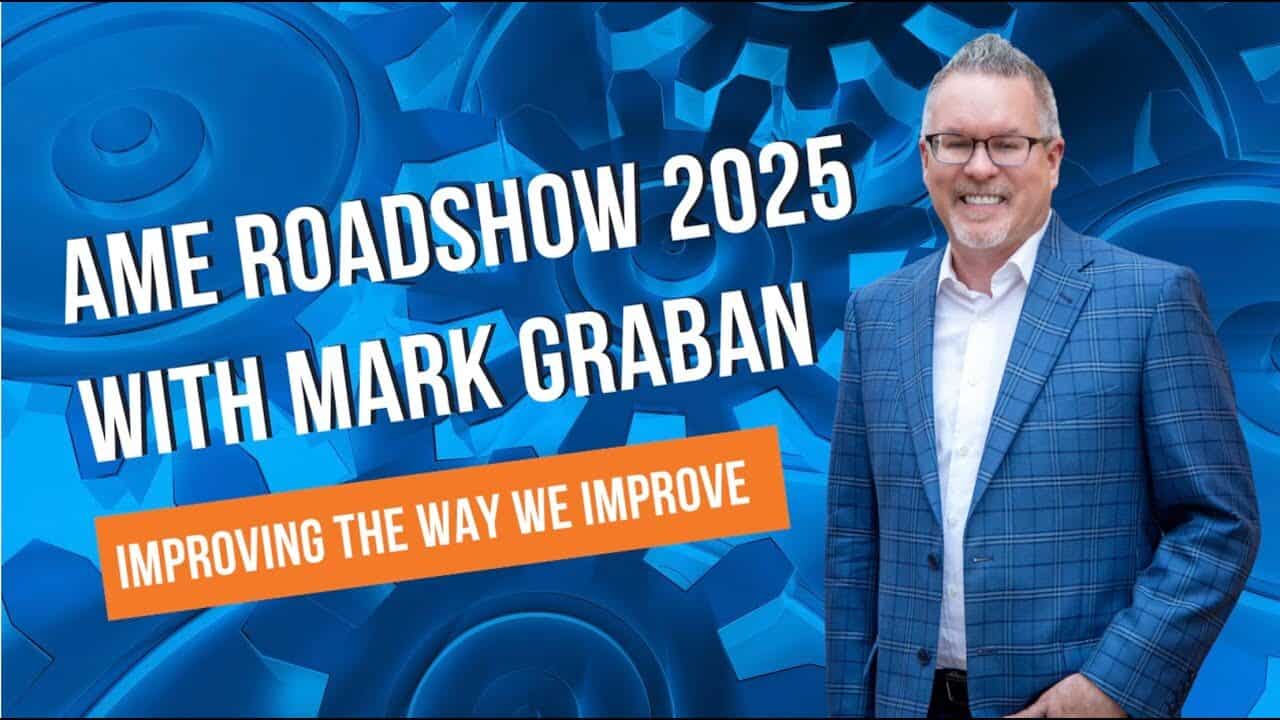
Preview of Mark Graban’s AME Australia “Road Show” in 2025; Improving...

1
Scroll down for how to subscribe, transcript, and more Welcome to this bonus session of the Lean Blog Interviews Podcast, originally recorded as a LinkedIn...

Why Process Behavior Charts Reveal KPI Insights That Bar Charts and...

0
tl;dr Color codes and bar charts answer "Are we hitting the target?" but not "Are we improving?" or "How do we improve?" Process Behavior...

Why Two (or Four) Data Points Aren’t a Trend: Olympic TV...

1
Two data points aren't a trend--but headlines, executives, and analysts keep treating them like one, whether the topic is Olympic TV viewership or business...

Stop Comparing MLB Stats Year to Year: A Better Way to...

3
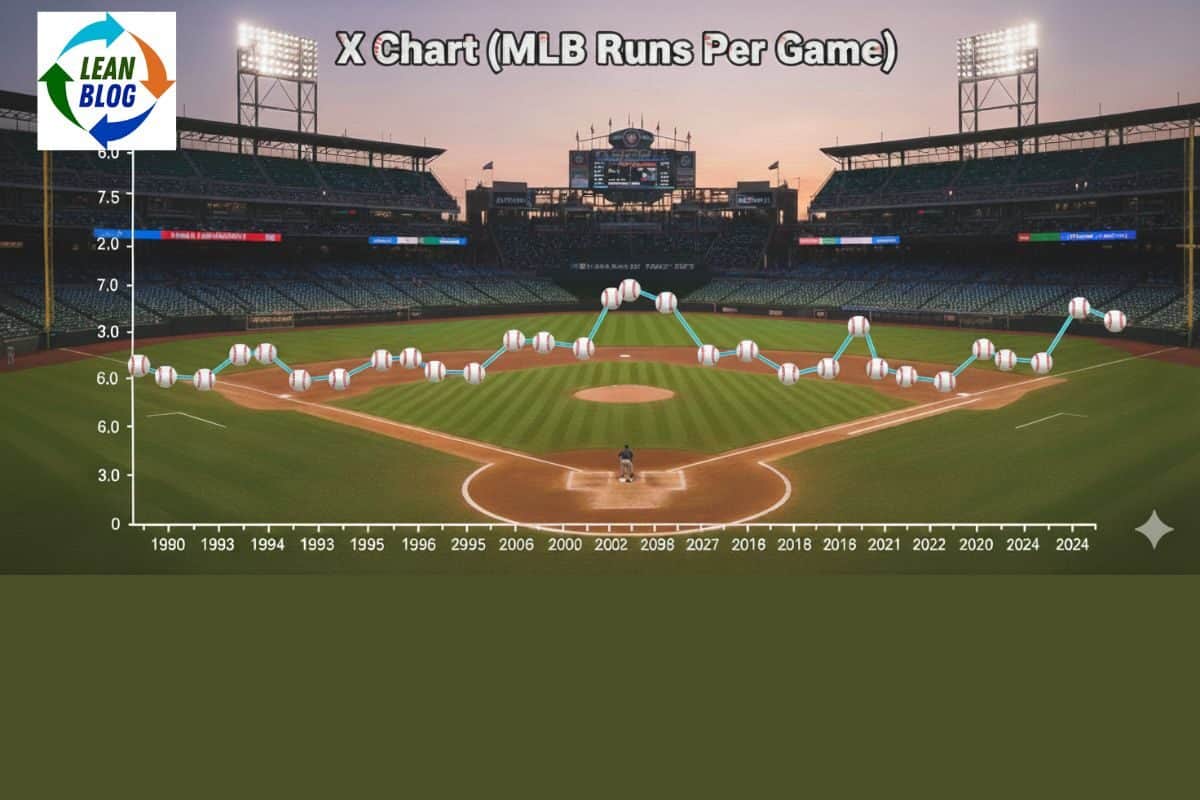
Two-Year Comparisons in Major League Baseball Stats: A Strikeout, not a Homer tl;dr summary: Year-to-year MLB stat comparisons are misleading. Using long-term data and Process...

Why Two Data Points Don’t Show a Trend–and What to Use...

0
tl;dr Two data points don't show a trend. Month-to-month comparisons often reflect noise, not meaningful change. Use run charts and Process Behavior Charts to...

100 Years of Shewhart’s Control Charts: Why They Still Matter for...

0
TODAY marks the centennial of one of the most significant innovations in quality management: the control chart. "A 'special cause' for celebration." Brian Buck, on...

Analyzing MLB Tommy John Surgeries: Data Insights and Trends from 2000-2024

5
tl;dr summary: This post examines the trend of Tommy John surgeries in MLB and MiLB using Process Behavior Charts, revealing that the perceived surge...

Oscars Viewership Over Time: What the Headlines Get Wrong About Ratings...

4
The Oscars may report a "four-year high," but the long-term data tells a very different story. Year-to-year viewership and ratings changes are mostly noise....

Happy 5th Birthday to Measures of Success: Lessons from Five Years...

1
TL;DR: Five years after the print release of Measures of Success, the core lesson still holds: reacting less to data and understanding variation leads...

Ryan McCormack’s Operational Excellence Mixtape: January 26, 2024

0
Thanks as always to Ryan McCormack for this... there's always so much good reading, listening, and viewing shared here by him! Subscribe to get...

Is Andre Drummond Sustaining His Free Throw Improvements? [Updated 2023]

3
Last year, I looked at the free throw statistics of Andre Drummond of the Detroit Pistons. News headlines talked about how much he had improved his free throws, so I looked at one of his performance metrics (free throw percentage) to see if the increase was "signal" or "noise." Why write about basketball? Well, there are lessons that we can learn and apply to our own workplace metrics, as I write about in my book Measures of Success: React Less, Lead Better, Improve More.

How the MLB Pitch Clock Transformed Game Length: A Data-Driven Look...

0
tl;dr: In the blog post, we delve into MLB's ongoing struggle with slow and lengthy games, analyzing recent rule changes aimed at reducing game...
Study Lean Healthcare in Japan with Mark!Learn More
+ +