Flow Engineering in Action: Insights from Authors Steve Pereira and Andrew Davis

Steve Pereira and Andrew Davis on Flow Engineering, their book on moving from value stream mapping to effective action, and what they learned writing it.
Mistakes are inevitable—but how leaders and organizations respond to them determines whether they improve or repeat the same failures. These posts explore mistakes through a Lean lens: system design vs. “human error,” psychological safety, learning cultures, and leadership behaviors that turn errors into improvement rather than blame.
Drawing from healthcare, manufacturing, aviation, sports, and everyday work, this archive focuses less on who failed—and more on what the system made possible.
Mistakes are inevitable; learning is not. These posts align with ideas I expanded on in The Mistakes That Make Us, which examines how leaders, cultures, and systems determine whether errors become liabilities—or catalysts for improvement.
Steve Pereira and Andrew Davis on Flow Engineering, their book on moving from value stream mapping to effective action, and what they learned writing it.

Sam Yankelevitch, author of An Interview with Failure, on reframing failure, motivational interviewing, communication, and lessons from a global operations career.
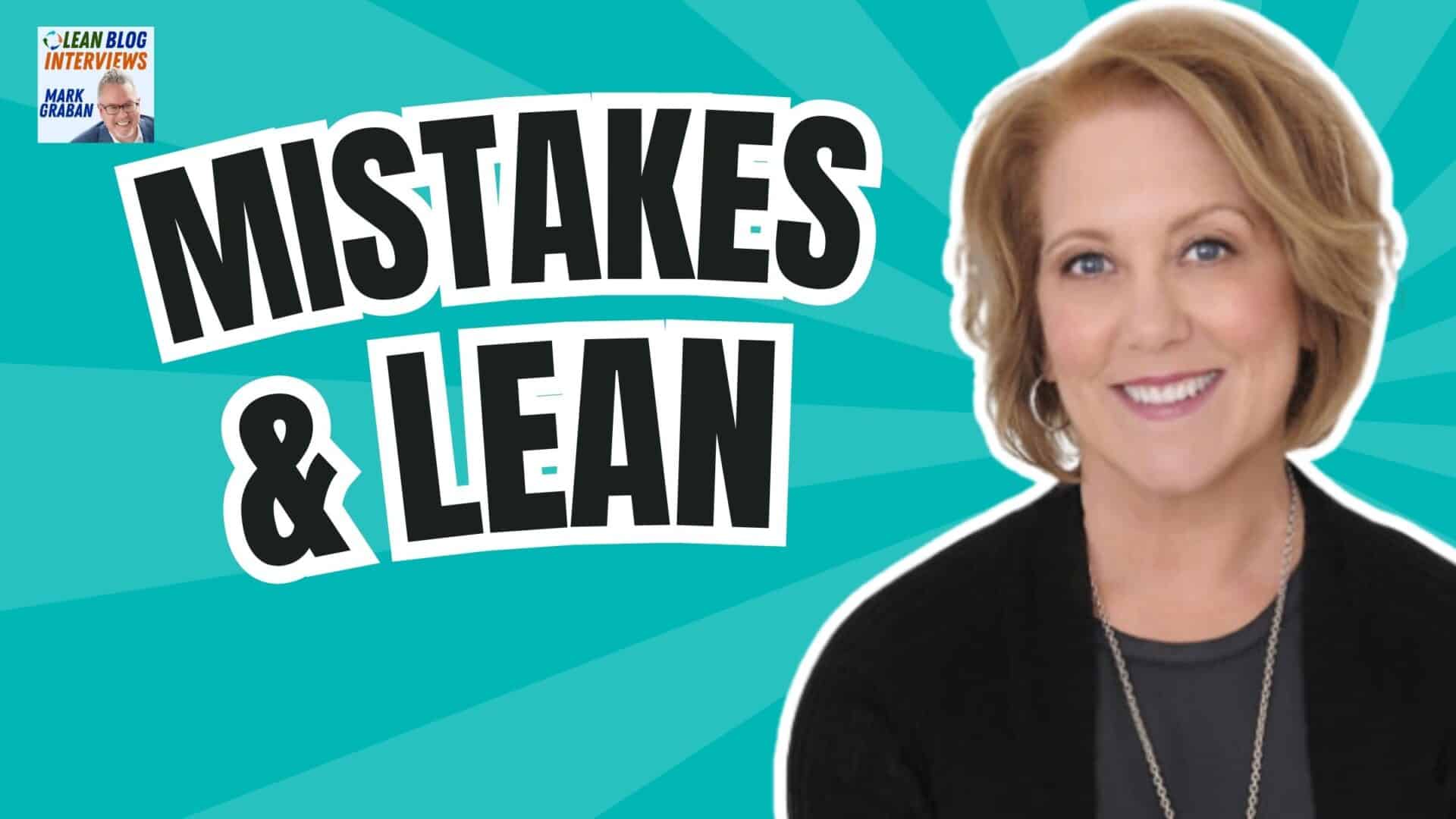
Mistake proofing in lean management helps build quality at the source and reduce errors. Karen Martin joins Mark Graban to discuss zero harm, culture, and practical improvement.

TL;DR: Learning from mistakes requires more than problem-solving tools — it requires psychological safety.In this Shingo Institute webinar, Mark Graban explains why fear and futility prevent people from speaking up, how Toyota and healthcare organizations respond constructively to mistakes, and…
Thanks, as always, to Ryan McCormack for this. He always shares so much good reading, listening, and viewing here! Subscribe to get these directly from Ryan via email. News, articles, books, podcasts, and videos about how to make the workplace…
In everyday use, “mistake” and “error” usually mean the same thing: an action, judgment, or result that turns out to be wrong. Some fields use more specific definitions. Neither word, by itself, tells us why something happened or who should…
The other day, I was presenting at a company about “Psychological Safety as a Pre-Condition for Continuous Improvement.” It was a hybrid event and I noticed, during the Q&A period, that somebody on Teams chatted about me making a mistake.…

tl;dr: Shingo renamed “foolproofing” to poka-yoke (mistake-proofing) after the old term made a worker cry. The lesson holds: blame doesn’t prevent defects, and respecting people is what makes zero defects possible. Here’s the short video version of this argument, if…
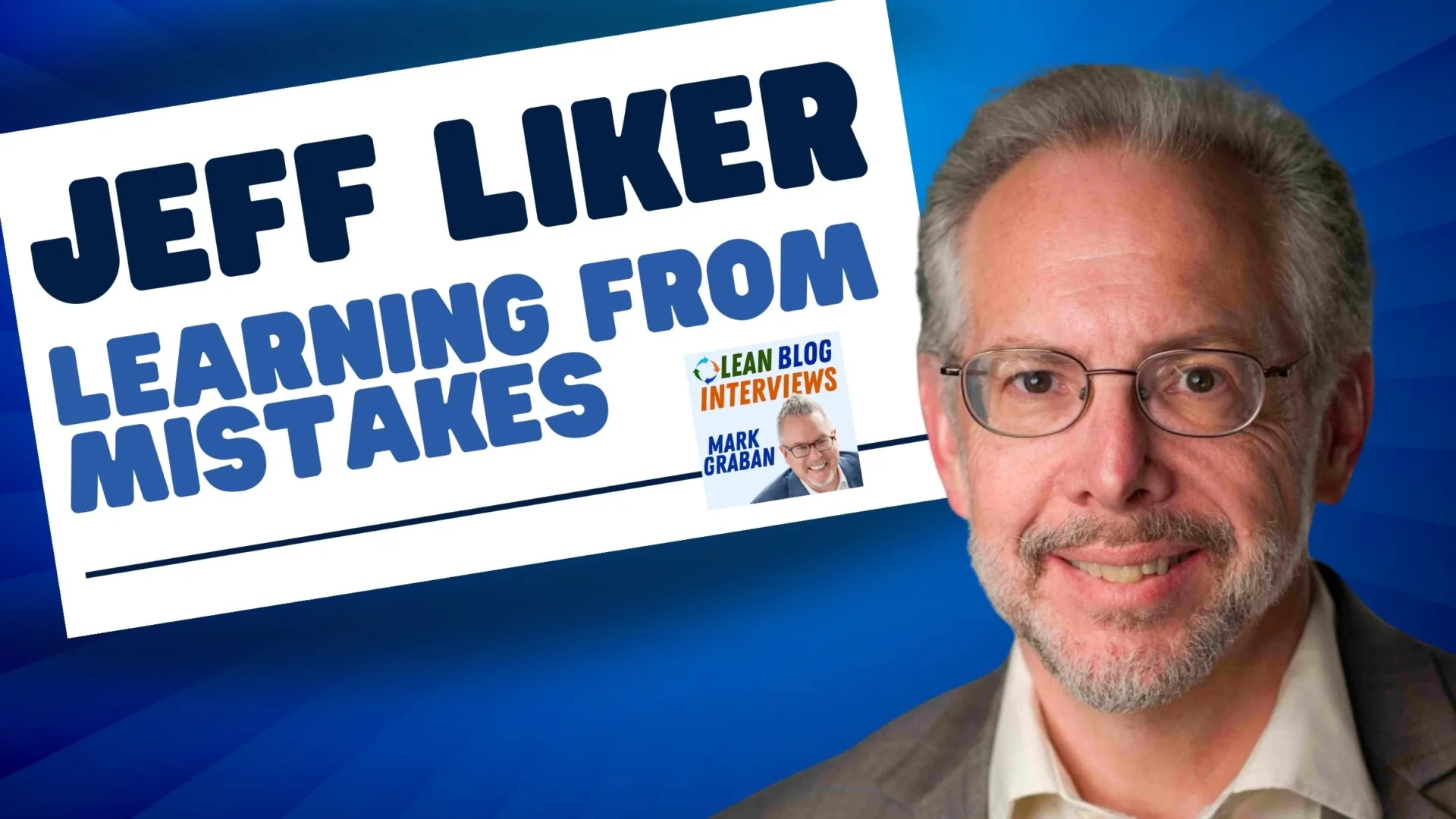
Jeff Liker explains how Toyota leaders respond to mistakes without blame, why Ford's andon cord failed, and what psychological safety looks like on the factory floor.

The following material was cut from my latest book, The Mistakes That Make Us: Cultivating a Culture of Learning and Innovation. It just didn’t fit the flow of how the book turned out. You’ll hear a story from one of…

I loved a recent New York Times article about Chef Gordon Ramsay, including this part: “Ramsay said that when he makes a mistake, he owns up to it. He has been candid about the misjudgments that led to the closure…

Thanks as always to Ryan McCormack for this… there’s always so much good reading, listening, and viewing shared here by him! Subscribe to get these directly from Ryan via email. News, articles, books, podcasts, and videos about how to make…